“Crypto can make you rich” is the headline that keeps popping up on TikTok.
“Crypto can wipe you out” is the line you’ll find buried in the small print of every Financial Conduct Authority (FCA) warning.
Both statements are true, which is why the first skill any British beginner needs to master is not picking the next 10-bagger coin – it’s learning how not to get rekt in the first place.
Risk management sounds boring until you realise it’s the difference between a hobby that pays for next summer’s holiday and one that costs you next month’s rent. The good news? You don’t need a PhD in derivatives or a City-boy bonus to stay safe. You just need a few stubborn habits and a calculator.
Below is a plain-English, UK-specific field guide to keeping your crypto pounds intact while everyone else is panic-tweeting rocket emojis.
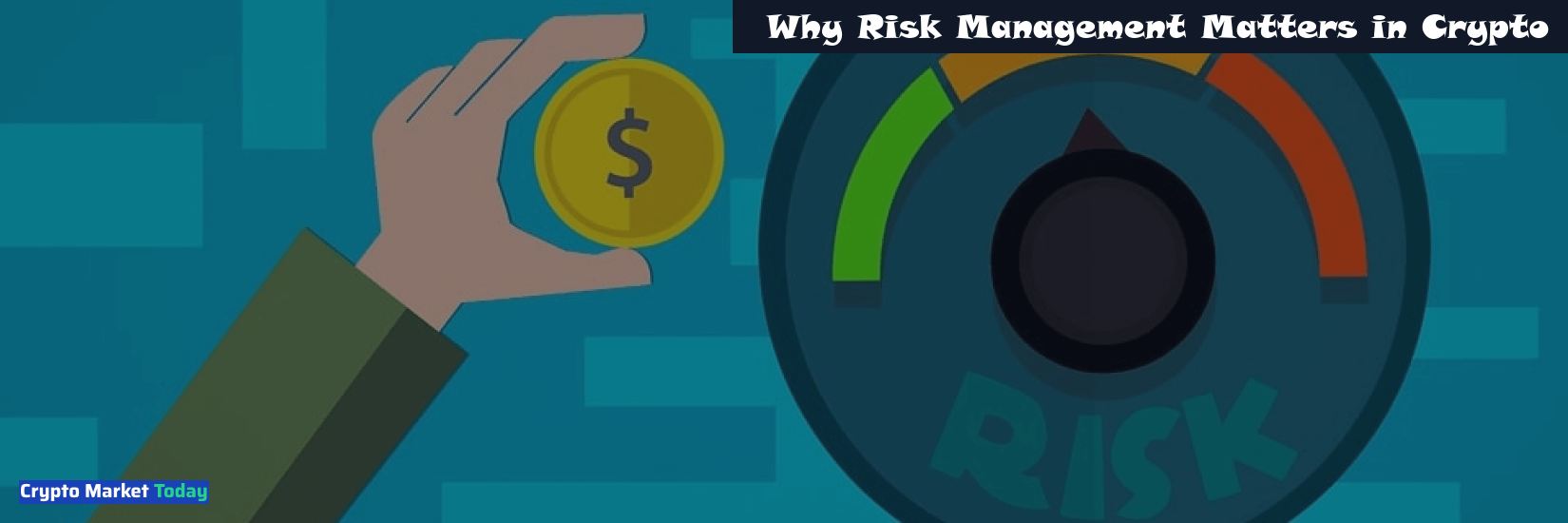
Why Risk Management Matters in Crypto
Volatility is the obvious villain. Bitcoin can drop 15 % while you’re in the shower. But the quieter killers are:
- Whale games: A single wallet dumps millions of Dogecoin at 2 a.m. and your “sure-thing” long is suddenly 30 % underwater.
- Emotional whiplash: No plan means you buy the green candle at 9 a.m. and sell the red one at 9 p.m.
- FCA red-flagged products: Since 2021, the regulator has banned the sale of crypto-derivatives (CFDs, options, futures) to retail investors. Ignore the ban and you’re trading with zero consumer protection and zero legal comeback.
In short, without guard-rails you’re not investing – you’re spinning a roulette wheel that tweets.
Setting a Risk Budget (The Foundation of Safe Trading)
Step into any crypto Telegram group and someone will boast they “YOLO’d the house on Shiba.”
Step into any bankruptcy court and you’ll meet them again.
Rule 1: Only ever trade discretionary income – money you could set on fire without changing your life.
Rule 2: Cap any single trade at 1–5 % of your total trading pot.
£10 k trading stack? £100–£500 risk per position. That isn’t the size of the trade; it’s the most you’ll lose if your stop-loss is hit.
Trading vs. Investing Bucket
Split your holdings before you start:
- Trading wallet: actively managed, tight stops, short time-horizon.
- Hodl wallet: Bitcoin/Ethereum you lock away on a Ledger and forget about for tax-free growth (up to the £12 300 annual CGT allowance).
Two buckets = two mind-sets and zero 3 a.m. “Should I sell my pension-sized Ethereum bag?” crises.
Core Risk Management Tools Beginners Can Use
You don’t need Bloomberg terminals; you need four free buttons on Coinbase Pro or Kraken.
Stop-Loss Orders
Set it just below support. BTC bought at £40 k with support at £38 k? Stop at £37 800. You’re out at –5.5 %, not –30 % when Elon tweets a meme.
Position Sizing
Never risk more than 1–2 % of the account on one idea. Maths:
Risk £ ÷ (Entry – Stop) = position size.
Risk £200, Entry £40 k, Stop £38 k → position = 0.1 BTC.
Do the sum before you click buy, not after.
Diversification
A five-coin pie: 40 % BTC, 30 % ETH, 10 % each in three large-cap alts you can name in one breath. Anything smaller than top-100 by market-cap is a lottery ticket, not diversification.
Scaling Out
Sell 25 % of the position at each pre-set target. You book profits, sleep better, and still catch any “moon” move with the remaining tranche.

Emotional Risk Management (Often Ignored)
Three feelings lose more money than technical analysis ever makes:
- FOMO: Buying because Twitter is purple with rocket emojis.
- Revenge trading: Doubling size after a loss to “get it back.”
- Plan abandonment: Moving the stop-loss because “it’ll bounce.”
Fix: write your entry, exit and stop on a Post-it before you open the trade. Stick it on the wall. If the market proves you wrong, take the loss and walk the dog. The next setup is always twenty-four hours away.
Protecting Yourself from Technical Risks
Exchange Risk
Use only FCA-registered platforms (eKraken, Coinbase, Gemini, Uphold). Offshore exchanges with 125× leverage may look sexy until they freeze withdrawals over a “compliance review” that lasts six months.
Wallet Security
- Active-trading float stays on exchange (2FA, whitelist addresses).
- Long-term stack lives on a hardware wallet.
- Backup seed phrase = stamped metal plate, not a screenshot in your Gmail.

Tax Risk: What UK Traders Need to Know
HMRC treats every crypto-to-crypto swap as a disposal. Trade SOL → ETH → GBP? That’s two taxable events, not one. Keep a simple spreadsheet: date, type, quantity, GBP value, fees. Free tools like Koinly or Accointing automate the rest. Miss the January 31st self-assessment deadline and you’re looking at £100 minimum penalty plus interest – cheaper than most bad trades, but unnecessary.
Wrap-Up
Risk management won’t give you bragging rights in the pub, but it will keep you in the market long enough to learn what actually works. Master the boring stuff – position size, stop-loss, record-keeping – and you’ll still be standing when the next 50 % crash arrives.
Next up: how to spot the airdrop, romance and rug-pull scams that circle the UK crypto space like hungry seagulls. Stay tuned – your private keys will thank you.